
The Ultimate Guide to Simping and Why Men Simp

Getting customers to simp for you is a key to success on OnlyFans OnlyFans Success Guide – Simps and Simping – Last Updated: March 11, 2022 Reading Time: 20 Minutes The concept of ‘simping’ is not new but the term itself is. For those not familiar a ‘simp’ is a person, typically male who provides…
Read MoreHow to Brand Your OnlyFans: A Guide to Success

Learning how to brand yourself effectively can translate to increased income and success on OnlyFans OnlyFans Success Guide – Branding Your OnlyFans – Last Updated: February 25, 2022 Reading Time: 15 Minutes I’ve discussed branding as an important factor in your success on OnlyFans many times previously on my Podcast as well as this blog.…
Read MoreHow to Successfully Setup Your OnlyFans Sales Funnel

Setting up an effective OnlyFans Sales Funnel can help drive more traffic and sales to your page OnlyFans Success Guide – Setting Up Your Sales Funnel – Last Updated: January 15, 2022 Reading Time: 15 Minutes I have discussed many times that ideally OnlyFans should act as the last stop for your Marketing and Social…
Read MoreWhat Do Your OnlyFans Subscribers Want?

There are several different Audiences that consume OnlyFans content and here is how you should appeal to them OnlyFans Success Guide – What Do Subscribers Want – Last Updated: January 15, 2022 Reading Time: 15 Minutes Why don’t you have more subscribers on your OnlyFans page? This is the focus of all the effort that…
Read More10 OnlyFans New Year’s Resolutions for 2022

Here are my top OnlyFans New Year’s Resolutions of 2022 for OnlyFans Creators. OnlyFans Success Guide – New Year’s Resolutions 2022 – Last Updated: January 1, 2022 Reading Time: 10 Minutes Although most of us make New Year’s resolutions its pretty much a fact that most of them are discarded a few weeks into the…
Read More12 Ways to Achieve an OnlyFans Success Mindset

Success on OnlyFans is less about creating content and more about having the right mindset OnlyFans Success Guide – OnlyFans Success Mindset – Last Updated: December 4, 2021 Reading Time: 15 Minutes So recently a new creator contacted me wanting to know how to succeed on the site and why I recommend going at it…
Read More13 Shockingly False OnlyFans Misconceptions

There are a lot of false assumptions about OnlyFans that need to be cleared up OnlyFans Tips and Tricks – OnlyFans Misconceptions – Last Updated: November 20, 2021 Reading Time: 15 Minutes With OnlyFans quick rise to popularity their have also been a lot of misnomers about what it takes to succeed on the site.…
Read MoreHow to Start an OnlyFans Successfully in Your First 7 Days

Getting Started on OnlyFans can seem daunting but with this guide you’ll be able to focus on your success right away OnlyFans Creator Quick Start Guide: Last Updated: November 13, 2021 Reading Time: 20 Minutes So I’ve been writing and speaking about OnlyFans for over a year now and I realized that every day new…
Read MoreOnlyFans Secrets Interview in Cosmopolitan

OnlyFans Secrets Podcast Host and Founder of SEO Bounty interview in Cosmo Magazine OnlyFans Secrets Podcast Cosmo Interview: Last Updated: November 4, 2021 Reading Time: 9 Minutes I recently had the honor of being interviewed by Cosmopolitan Magazine in Germany. The interview lasted an hour with Antonia Hartmann and I talked about a lot of…
Read MoreHow to Earn More Money By Keeping Subscribers on OnlyFans
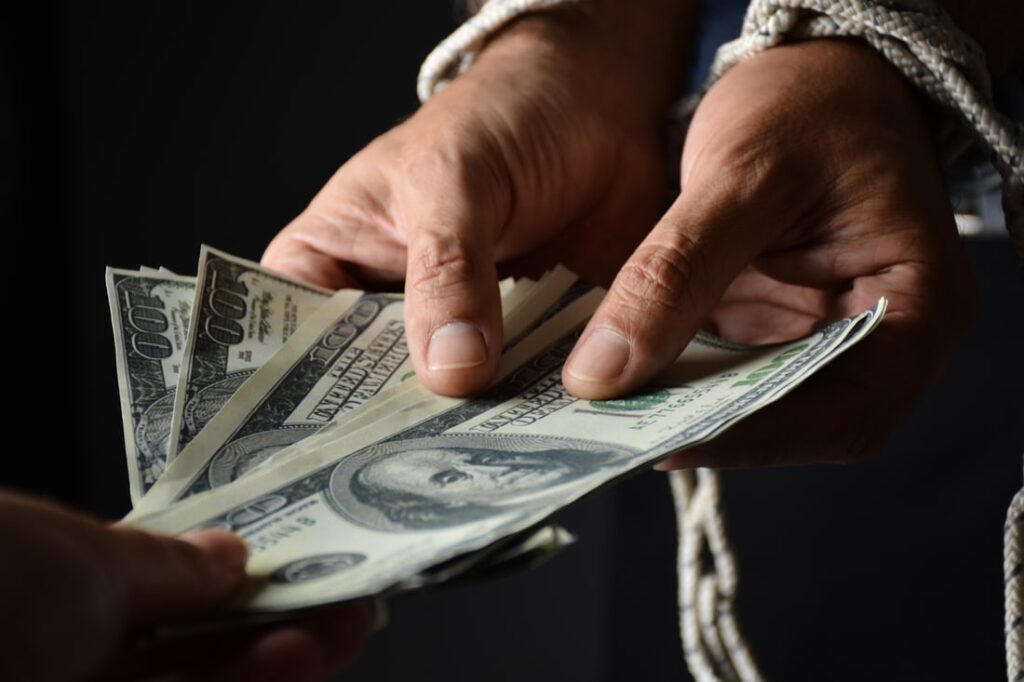
OnlyFans is built around getting and then keeping subscribers long term, but it’s not as easy as it sounds to do OnlyFans How-To Guides: OnlyFans Subscriber Retention: Last Updated: October 15, 2021 Reading Time: 15 Minutes Getting OnlyFans subscribers can be a difficult task and once you have them you want to do everything that…
Read More